2026 World Cup Group K Analysis: Structured Battle Between Portugal and Colombia
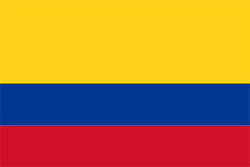
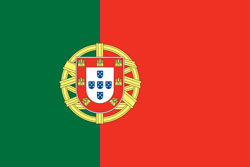
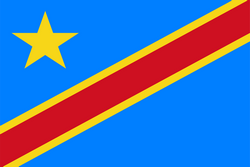
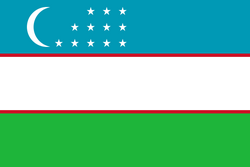
Group K features Portugal, Colombia, Congo DR, and Uzbekistan.
The group presents a structured competitive hierarchy with two leading teams and two outsiders capable of influencing outcomes.
Group Overview
Portugal and Colombia enter as the two strongest profiles, while Congo DR and Uzbekistan
bring contrasting styles that could impact the group balance.
Team Analysis
Portugal - Structural Favorite
Portugal combines squad depth, technical quality, and international experience, making them the reference team in this group.
- Depth: quality across all positions
- Technical level: strong ball retention and creativity
- Experience: consistent presence in major tournaments
- Flexibility: ability to adapt tactically
Limitations: defensive transitions and reliance on key creators in tight matches.
Colombia - Balanced Challenger
Colombia offers a structured and balanced approach, combining defensive organization with offensive transitions.
- Structure: compact defensive shape
- Midfield control: tempo and distribution
- Transitions: efficient forward projection
- Set-pieces: aerial and dead-ball threat
Limitation: consistency in decisive moments.
Congo DR - Athletic Outsider
Congo DR brings physical intensity and transition-based football, capable of disrupting structured teams.
- Speed: rapid offensive transitions
- Physical impact: duel dominance
- Individual talent: players from top European leagues
- Approach: direct and vertical play
Limitation: tactical consistency over full matches.
Uzbekistan - Structured Underdog
Uzbekistan relies on discipline and collective organization, aiming to remain competitive through defensive solidity.
- Organization: compact defensive structure
- Discipline: strong tactical execution
- Collective: cohesive team play
- Approach: low-risk strategy
Limitation: experience and individual quality gap.
Competitive Balance
The group is structured around a duel between Portugal and Colombia,
with Congo DR and Uzbekistan acting as disruptive variables.
Projected Hierarchy
- Portugal – reference profile
- Colombia – balanced challenger
- Congo DR – high-impact outsider
- Uzbekistan – structured outsider
Key Matchups
Portugal vs Colombia
Technical control versus collective organization. Likely decisive for first place.
Congo DR vs Uzbekistan
Direct confrontation that could shape the lower hierarchy and influence qualification scenarios.
Key Factors
- Portugal's control: tempo and possession
- Colombia's efficiency: transition execution
- Congo DR's intensity: physical disruption
- Uzbekistan's discipline: defensive stability
Conclusion
Portugal holds the most complete profile, while Colombia remains the primary contender for qualification.
Outcomes for the remaining teams depend on their ability to disrupt the established hierarchy.
Projection: Portugal and Colombia
Challenger: Congo DR
Outsider: Uzbekistan